Best Electric Road Bikes in 2026: Top Picks Ranked
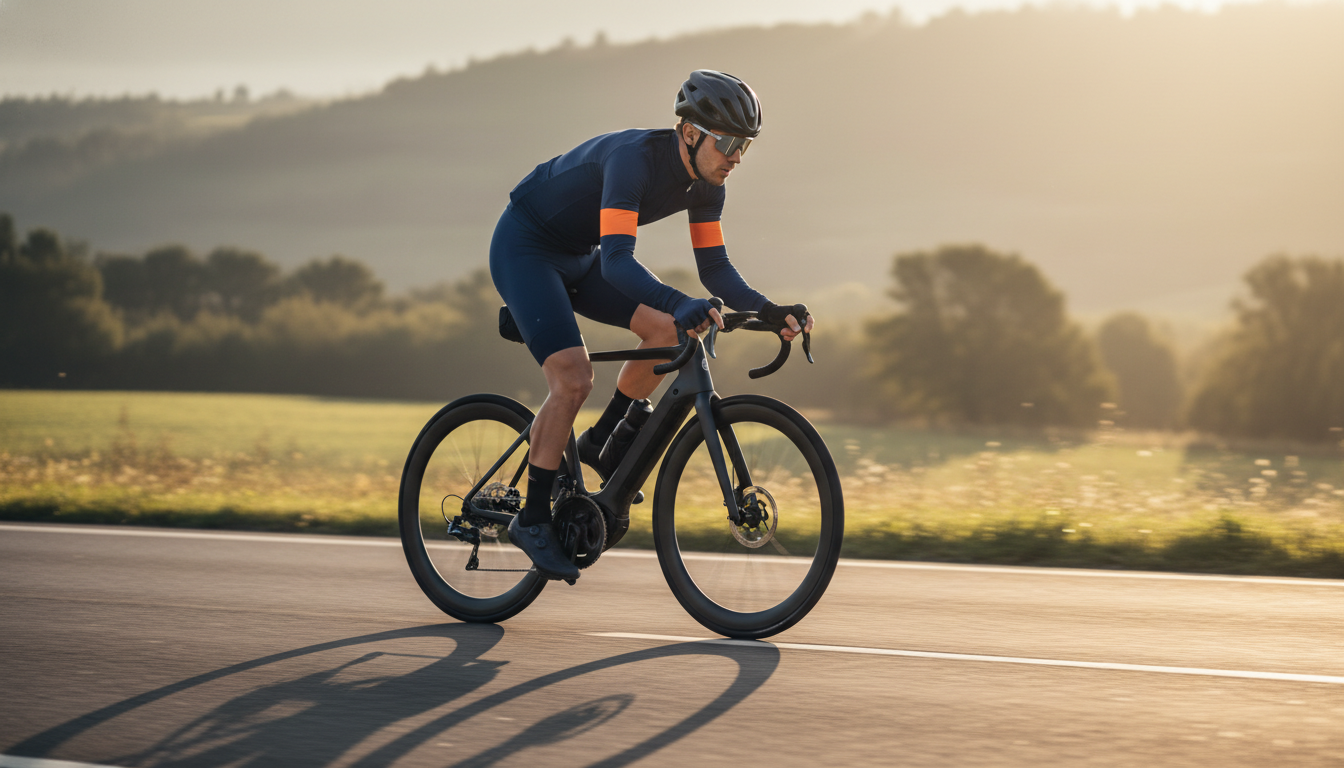
The electric road bike category has matured fast. Where early models were heavy, awkward compromises between motor and geometry, the current generation from Specialized, Trek, and Cannondale actually rides like a road bike. This guide cuts through the noise and names specific models worth your money, with clear criteria for each type of rider.
What separates a good electric road bike from a mediocre one
Weight is the obvious starting point. A 12 kg e-road bike feels dramatically different on a climb than a 16 kg one. The best models in this category use integrated battery systems (hidden inside the downtube) and compact mid-drive motors to keep the profile clean and the handling predictable.
Motor placement matters too. Hub motors on road bikes create odd weight distribution and mess with handling at speed. Mid-drive motors, like the Mahle X35+ system or the Fazua Ride 60, place mass low and central. That’s the configuration you want for anything resembling real road feel.
Battery range on road bikes is genuinely limited compared to cargo or commuter e-bikes. Expect 40-80 miles of assisted range depending on assist level and terrain. Riders who want maximum range should look at Eco mode as their default, not their fallback.
Best overall: Specialized Turbo Creo 2
The Specialized Turbo Creo 2 has become the reference point for this category. It uses Specialized’s own SL 1.1 motor (240W, 35 Nm) paired with a 320 Wh internal battery, and the whole bike weighs around 12.2 kg in most builds.
What owner reports consistently highlight is how invisible the assist feels. The SL 1.1 motor doesn’t surge or lag. It amplifies your pedaling without announcing itself, which is the hardest thing to get right in an e-road system. The optional range extender (160 Wh) clips into the bottle cage and bumps total range considerably for longer days.
Pricing starts around $8,500 for the Comp Carbon build. That’s real money. But across cycling forums and retailer reviews, buyers rarely express regret.
Best for speed: Trek Domane+ SLR
Trek Domane+ SLR is built for riders who want to go fast and stay comfortable over rough pavement. It uses a Fazua Ride 60 motor (60 Nm, 450W peak) and Trek’s IsoSpeed decoupler at the seatpost, which absorbs road chatter in a way that most e-road bikes can’t match.
The Fazua system adds a bit more noticeable assist than the Specialized SL motor. Some riders prefer that punch. Community feedback from forums like the Reddits dedicated to e-bikes (r/ebikes) and road cycling describe it as more “active” assist versus the Creo’s subtler delivery.
This is the bike for someone doing long sportives, mixed-surface rides, or just wants a bit more help on fast group rides without sacrificing comfort geometry.
Best budget pick: Cannondale Synapse Neo
Not everyone wants to spend five figures. The Cannondale Synapse Neo comes in significantly below the Specialized and Trek options, often around $3,500–$4,500 depending on build level. It runs a Mahle X35+ rear hub motor, which is lighter than most hub systems (1.8 kg) and integrates cleanly into the rear dropout.
Yes, it’s a hub motor. The handling trade-offs are real but minor at road bike speeds, and most buyers report they stop noticing after a few rides. For riders transitioning from a non-assisted road bike or using an e-road bike for commuting plus weekend rides, the Synapse Neo is a sensible entry point. The spec is honest for the price.
Best lightweight option: Pinarello Nytro
The Pinarello Nytro is for the rider who refuses to give up road bike aesthetics. It uses a Fazua Ride 60 motor and weighs around 11.5 kg in top-spec builds, which makes it one of the lightest assist bikes in the category.
The Nytro looks like a Dogma. It rides close to one too, at least in terms of stiffness and climbing behavior. This is not a commuter or a gravel hybrid. It’s a performance road bike with a small assist system built in, aimed squarely at competitive riders who want a legal edge on long training days or hilly sportives.
Pricing is steep (often $10,000+), and availability can be patchy. But for the right buyer, there’s nothing closer to a “road bike that happens to have a motor.”
Decision criteria: how to choose
- Weight under 13 kg? Prioritizes the Creo 2, Nytro, or Domane+ SLR.
- Budget under $5,000? The Synapse Neo is the only honest option here.
- Comfort over long miles? Trek’s IsoSpeed geometry gives it an edge.
- Invisible assist feel? Specialized’s SL motor system leads the category.
- Maximum range? Creo 2 with the range extender wins.
The electric road bike category rewards buyers who know exactly what they’re optimizing for. Pick your priority first, then match the bike to it.