Black Friday Fat Tire E-Bike Deals: What to Expect
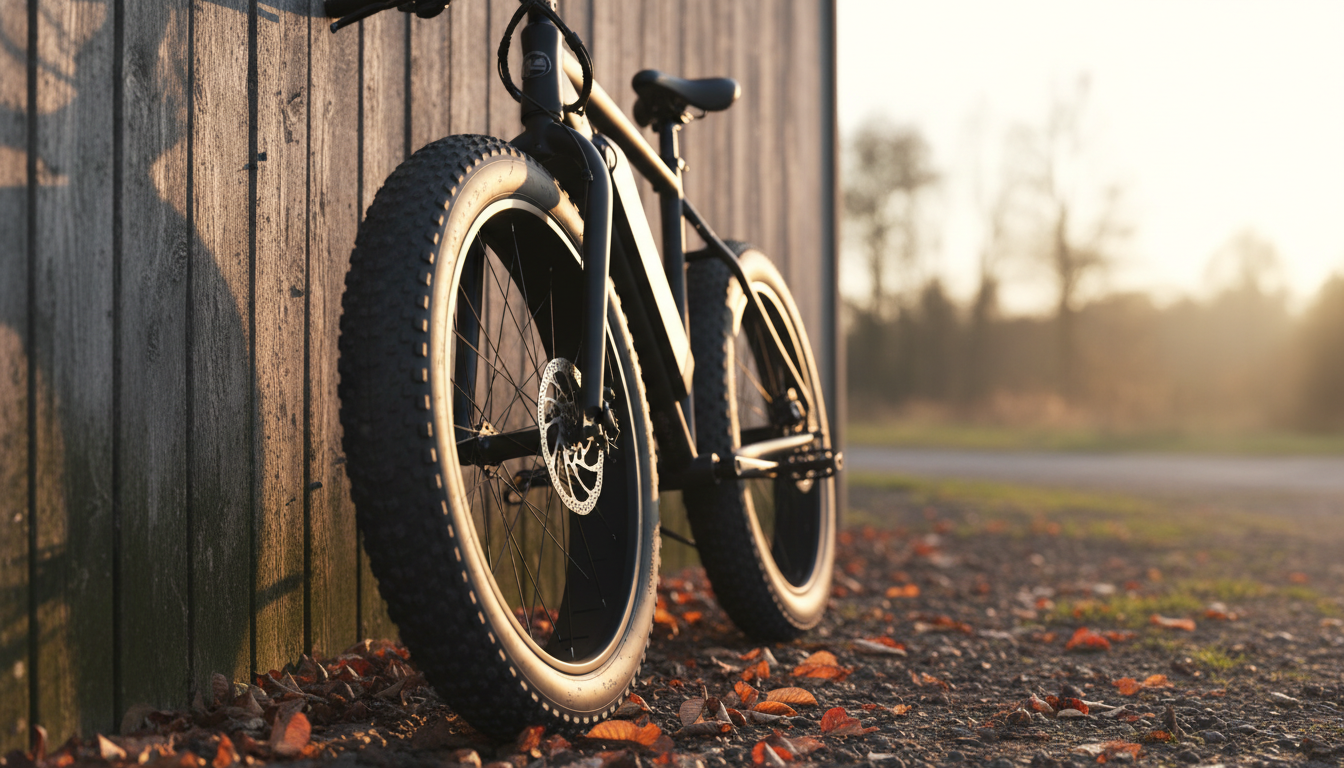
Fat tire e-bikes do go on sale during Black Friday — but the discounts vary wildly by brand, and some “sales” are just manufactured markdowns on inflated MSRPs. Here’s what genuine deals look like, which models are worth waiting for, and how to tell the difference.
What Black Friday Actually Looks Like for Fat Tire E-Bikes
The honest picture: direct-to-consumer brands (Rad Power, Aventon, Lectric) run the deepest cuts — typically $200–$500 off — because they control their own pricing. Retail-channel brands like Trek or Specialized rarely discount more than 10–15%, and usually only on prior-year inventory.
Fat tire models tend to get better Black Friday treatment than road-style e-bikes because they have wider appeal (snow, sand, gravel, casual riders) and higher inventory turnover pressure heading into winter. That’s a buying opportunity if you time it right.
Expect the best deals to cluster in the two weeks around Black Friday itself, with a second wave during Cyber Monday. Some brands extend sales through early December to clear stock before the new model year drops in Q1.
Brands That Consistently Run Real Discounts
Lectric XP models have historically been discounted $150–$300 during Black Friday, sometimes bundled with accessories like panniers or upgraded batteries. The Lectric XP 3.0 is the one to watch — it’s already competitively priced near $1,000, and any meaningful discount on it represents strong value.
Rad Power Bikes runs sitewide sales that frequently include the RadRover 6 Plus, their flagship fat tire model. Cuts of $300–$400 are realistic based on past years. They also bundle free accessories (fenders, lights, locks) that add another $100–$150 in real value.
Aventon has been aggressive with Black Friday pricing on the Aventon Aventure.2. Their fat tire line targets the $1,500–$2,000 range, and discounts of $200–$400 have appeared in prior cycles. Aventon also sells through local dealers, so check both their direct site and your nearest retailer.
Himiway is worth a look if you want a torque-sensor fat tire bike under $2,000. Their Himiway Cruiser regularly appears in Black Friday roundups, and the brand uses the season to push bundle deals.
How to Spot a Fake Sale
The oldest trick: raise the MSRP by $400 in October, then “discount” it by $400 in November. The bike costs the same. Here’s how to avoid it:
- Check the price history using a browser extension like Keepa (Amazon listings) or CamelCamelCamel before Black Friday
- Screenshot prices in late September or early October as your baseline
- Compare the “sale” price against at least two other retailers
- Watch for “was $X” claims on brands that never actually sold at that price
Legitimate sales move the actual transaction price below the documented historical low. If a $1,200 bike is being “discounted” to $1,199, that’s noise.
Also be skeptical of generic no-name fat tire bikes on Amazon that appear heavily discounted — most were listed at inflated prices intentionally and have thin or nonexistent warranty support.
What Specs Matter When Choosing a Fat Tire E-Bike on Sale
A lower price only matters if the bike fits your actual use case. Run through this before you buy:
- Motor placement: Hub-drive (rear) is fine for flat trails and casual riding. Mid-drive handles hills significantly better but costs more.
- Tire width: 4-inch tires cover most terrain. 4.8-inch is better for deep sand or snow but adds rolling resistance on pavement.
- Battery capacity: Anything under 10Ah will limit your range. 14–17.5Ah is the sweet spot for all-day riding.
- Torque sensor vs. cadence sensor: Torque sensors feel more natural and are worth the premium if you plan to ride frequently.
- Payload rating: Fat tire bikes attract heavier riders. Confirm the rated capacity before you buy — it’s listed in specs and matters structurally.
The Lectric XPedition is notable here because it’s a fat tire cargo bike with a 450 lb payload and a genuine mid-drive option — unusual at its price point.
When to Buy vs. When to Wait
If you’re seeing a price that matches or beats the historical low on a model you’ve already researched, buy it. Waiting for a “better” Black Friday deal that may not exist is how people miss real windows.
On the other hand, if you’re still deciding between models, don’t let a sale deadline push you into the wrong bike. A $300 discount on a bike you’ll ride twice is worse than paying full price for one you’ll use weekly.
One practical note: shipping and assembly time matters. Orders placed during Black Friday often take 1–3 weeks to arrive. If you’re buying as a gift or need the bike by a specific date, factor that in.
Bottom line: The best Black Friday fat tire e-bike deals come from direct-to-consumer brands like Lectric, Rad Power, and Aventon — expect $200–$500 off proven models with genuine specs. Do your price research in October, ignore inflated “was” prices, and buy when you see a documented low on a bike that matches your actual riding needs.