Best Fat Tire E-Bikes in 2026: Top Picks Ranked
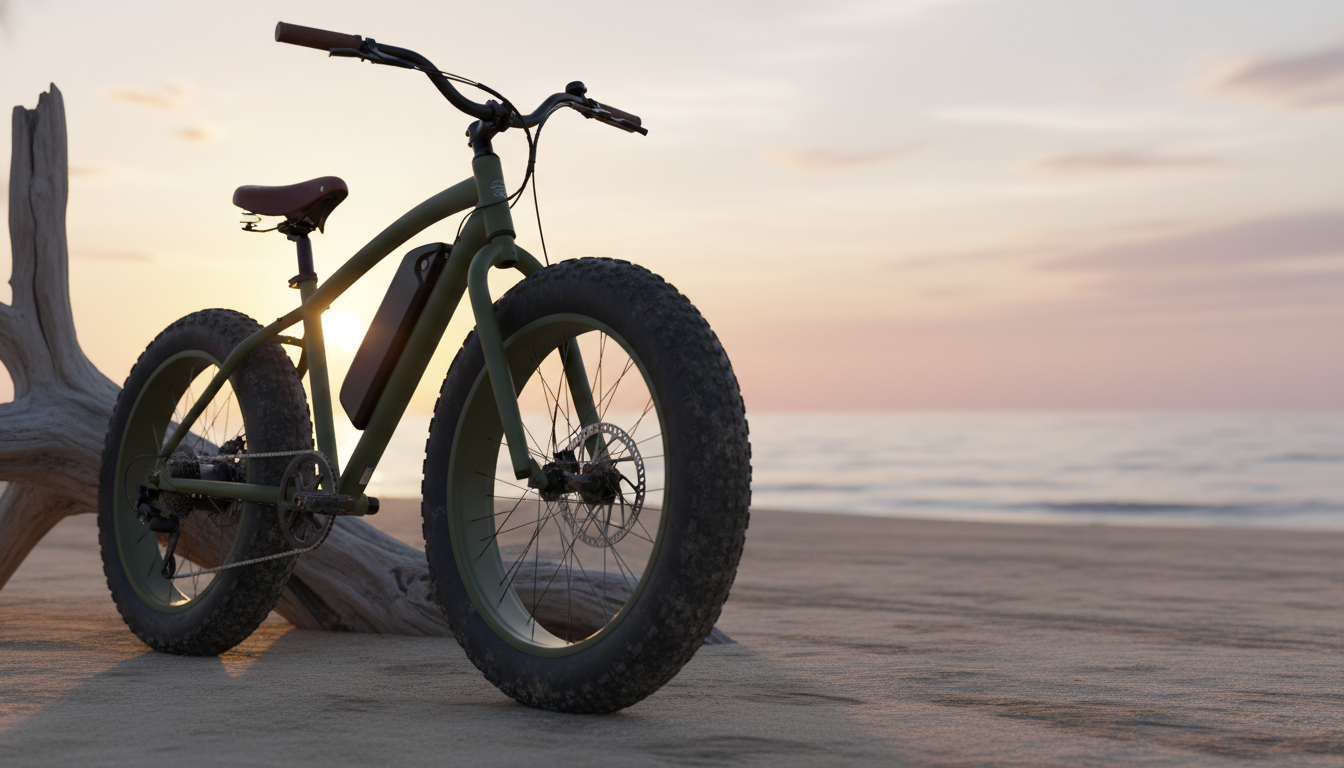
Fat tire e-bikes occupy a specific niche: riders who want traction on sand, snow, gravel, or loose dirt without sacrificing the pedal-assist that makes longer rides manageable. The question isn’t whether fat tire e-bikes are good. It’s which one fits your terrain, your budget, and your actual riding habits.
Here are the strongest options right now, with clear reasons to pick each one.
The Overall Best: Rad Power Bikes RadRover 6 Plus
The Rad Power Bikes RadRover 6 Plus remains the benchmark for mid-budget fat tire e-bikes. It runs a 750W geared hub motor, 4-inch Kenda tires, and a 672Wh battery that puts real-world range somewhere between 25 and 45 miles depending on assist level and terrain. The geometry is upright, which suits commuters and casual trail riders more than aggressive off-roaders.
What makes it stand out at its price point is the package. Hydraulic brakes, a color display, and integrated lighting all come stock. Owner reports across Rad’s community forum consistently note that the rear rack and fender system are robust enough for daily use, not just a checkbox feature. At roughly $1,999, it’s hard to argue with the value.
Best for Serious Off-Road: Juiced Bikes HyperFat
If you’re riding actual singletrack or chunky gravel roads, the Juiced Bikes HyperFat is worth the premium. It uses a 1,000W motor and a large-capacity battery (up to 1,000Wh on the extended pack), and the 4.5-inch tires give noticeably better float on loose surfaces than the more common 4-inch setups.
Buyer feedback on electric bike forums consistently flags the torque delivery as aggressive. That’s a feature if you’re climbing fire roads, but first-time e-bike owners sometimes find the throttle response sharp. Juiced bikes also ship direct, so if you’re not comfortable with basic bike assembly, factor in local shop setup costs.
Best Budget Pick: Lectric XP 3.0 Fat
The Lectric XP 3.0 starts around $999, which is genuinely low for a fat tire e-bike that performs this well. It folds, runs 3-inch tires (narrower than most fat bikes), and tops out at 28 mph in Class 3 mode. The 500W motor handles light trails and city riding without trouble.
The tradeoff is obvious: 3-inch tires aren’t really fat by serious off-road standards. They’re more like “plus” tires. For pavement commuting and packed gravel, that’s fine. For sand or deep snow, you’ll feel the limits quickly. The folding frame also adds weight and flex compared to a rigid fat bike frame. Still, for under $1,000 with solid components, the XP 3.0 is hard to beat.
Best for Snow and Sand: QuietKat Ranger
The QuietKat Ranger is designed for hunters and backcountry riders, and it shows. The 4-inch tires, mid-drive motor option, and low noise profile make it a serious tool for off-grid terrain. Reviews from hunting and outdoor recreation communities consistently call out the low-end torque as exceptional on steep, loose climbs.
QuietKat builds around Bafang mid-drive motors on several models, and the weight distribution that comes with a mid-drive is a real advantage on uneven ground. The Ranger isn’t cheap (typically $2,500 and up), and the no-frills display won’t impress anyone coming from a more consumer-focused brand. But riders who need reliability in remote environments consistently rate it highly.
Best Folding Fat Tire: Himiway Escape
The Himiway Escape hits an interesting middle ground: full 4-inch fat tires on a folding frame, with a 750W rear hub motor and a 840Wh battery. Most folding e-bikes trim the tire width down to save weight. Himiway didn’t, which makes this the strongest option for riders who need to store or transport the bike but still want legitimate off-road capability.
The folding mechanism is sturdier than what you get on the Lectric XP, but the bike is heavy at around 75 lbs. That’s not surprising for a fat folder, but worth knowing before you commit to hauling it up stairs.
How to Choose
A few factors actually matter here, and they narrow the field fast.
- Tire width. 4 inches and above for real sand or snow. 3-inch “plus” tires are fine for gravel and pavement.
- Motor type. Hub drives are cheaper and low-maintenance. Mid-drives handle technical climbs better.
- Battery size. Fat tires add rolling resistance. A 500Wh battery will feel small on hilly terrain. 672Wh or above is the safer baseline.
- Frame type. Folding frames trade rigidity for portability. For aggressive off-road use, a rigid frame is the better call.
Bottom line: The RadRover 6 Plus is the right default for most buyers. Step up to the QuietKat Ranger for backcountry use, or go with the Lectric XP 3.0 if budget is the main constraint.